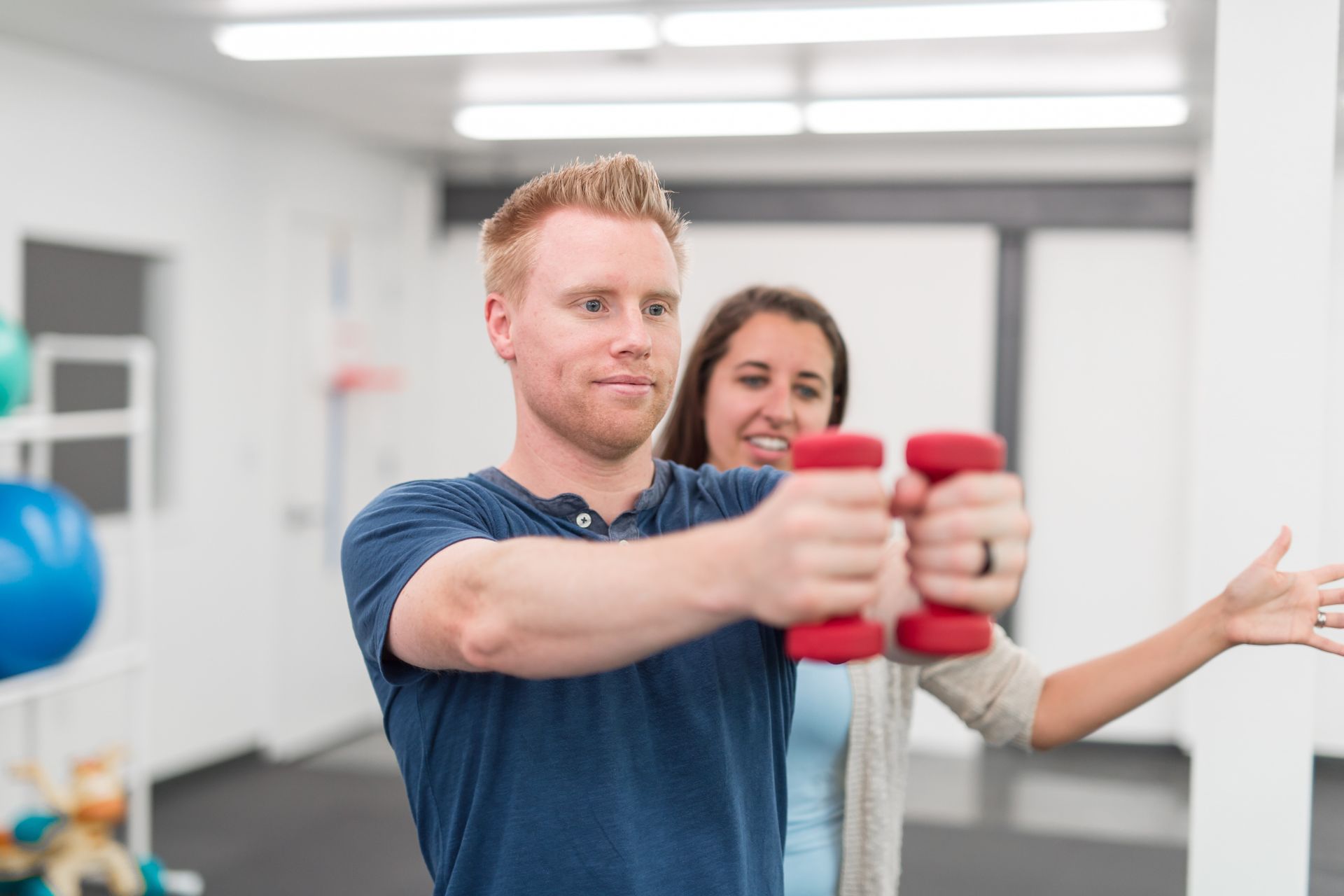
Hybrid Rehab Models Combining Manual And Exercise Therapy

Hybrid Rehab Models Combining Manual And Exercise Therapy

Discover the benefits of hybrid rehab models combining manual and exercise therapy, which offer a comprehensive approach to recovery. These innovative methods integrate hands-on techniques with tailored exercises to enhance rehabilitation outcomes.

How do hybrid rehab models integrate manual therapy techniques with evidence-based exercise protocols for optimal patient outcomes?

Hybrid rehab models effectively blend manual therapy techniques, such as soft tissue mobilization and joint manipulation, with evidence-based exercise protocols to enhance patient recovery and optimize outcomes. This approach leverages the strengths of both modalities; for instance, manual therapy can alleviate pain and improve mobility by addressing musculoskeletal dysfunctions like muscle tightness or restricted range of motion. In turn, integrating structured exercise regimens—like strength training, flexibility exercises, and proprioceptive activities—ensures that patients not only experience immediate relief but also develop long-term resilience against injuries through enhanced functional stability and coordination. These rehabilitation frameworks often utilize assessments based on clinical guidelines to tailor individualized treatment plans that align therapeutic interventions with specific diagnoses such as sports injuries or chronic pain conditions. By fostering an environment where active participation is encouraged alongside passive treatments, hybrid rehab models aim to promote self-efficacy in patients while minimizing recurrence rates through education about body mechanics and injury prevention strategies. Furthermore, incorporating feedback loops within these programs allows healthcare professionals to adjust tactics dynamically based on a patient's progress during their healing journey which leads to higher satisfaction levels among participants due to personalized care pathways that are responsive rather than static.

Ultrasound imaging is a powerful tool in physical therapy, providing detailed insights into tendon and muscle conditions that can enhance treatment outcomes. By utilizing this advanced diagnostic technique, practitioners can tailor rehabilitation programs more effectively to meet individual patient needs. To explore the benefits of ultrasound diagnostics further, visit open this page

In what ways can the synergistic effects of manual manipulation and therapeutic exercises enhance neuromuscular recovery in sports injuries?

The synergistic effects of manual manipulation and therapeutic exercises play a crucial role in enhancing neuromuscular recovery from sports injuries by promoting tissue healing, restoring range of motion, and improving overall functional performance. Manual manipulation techniques, such as mobilization or myofascial release, help to alleviate muscle tension, reduce pain levels, and enhance blood circulation to the affected areas. This increase in blood flow facilitates the delivery of essential nutrients and oxygen needed for cellular repair while simultaneously flushing out metabolic waste products that can hinder recovery. On the other hand, therapeutic exercises focus on strengthening weakened muscles and improving coordination through targeted movements that activate specific muscle groups involved in sports activities. The combination of these two approaches helps address both mechanical dysfunctions caused by injury — like joint stiffness or muscular imbalances — as well as neurological deficits resulting from disuse or pain inhibition. By integrating proprioceptive training within therapy sessions alongside manual interventions, athletes can further refine their body awareness and motor control during rehabilitation phases. As a result, this comprehensive strategy not only accelerates physical recovery but also enhances psychological readiness to return to competitive environments safely; thus ensuring athletes regain confidence in their performance capabilities while minimizing future injury risks through improved biomechanics and flexibility achieved via consistent practice of tailored exercise regimens coupled with skilled hands-on care provided by trained practitioners engaged in an interdisciplinary approach towards athletic rehabilitation.

What specific assessment tools are utilized to determine the effectiveness of combining manual and exercise therapies in rehabilitation settings?

In rehabilitation settings, various specific assessment tools are utilized to determine the effectiveness of combining manual and exercise therapies. These tools often include standardized outcome measures such as the Oswestry Disability Index (ODI) for evaluating low back pain, the Visual Analog Scale (VAS) for measuring pain intensity, and the Disabilities of Arm, Shoulder, and Hand (DASH) questionnaire that assesses upper extremity function. Clinicians may also employ functional movement assessments like the Functional Movement Screen (FMS), which identifies limitations or asymmetries in movement patterns that could affect recovery outcomes. In addition to these questionnaires and screening tools, goniometers are used to measure joint range of motion accurately while dynamometers assess muscle strength quantitatively. Furthermore, biofeedback devices can monitor muscle activity during therapeutic exercises to enhance neuromuscular control through guided feedback mechanisms. Performance-based tests such as timed up-and-go or six-minute walk tests evaluate overall mobility and endurance after interventions involving both manual therapy techniques—such as mobilization or manipulation—and tailored exercise regimens aimed at improving flexibility, strength, balance, and coordination. Collectively utilizing these diverse assessment methods provides comprehensive insights into patient progress by quantifying changes in physical capabilities alongside subjective reports from patients about their pain levels and functional improvements following combined treatment approaches in a structured rehabilitative context.

How does the duration and frequency of manual therapy sessions impact the efficacy of concurrent prescribed exercise regimens in chronic pain management?

The duration and frequency of manual therapy sessions can significantly influence the effectiveness of concurrent prescribed exercise regimens in managing chronic pain conditions. When patients receive regular, well-timed manual therapy, such as massage or mobilization techniques aimed at relieving muscle tension and improving joint function, they often experience enhanced flexibility, reduced stiffness, and overall improved physical comfort. This supportive care allows individuals to engage more fully with their prescribed exercise programs by decreasing barriers to movement caused by pain or discomfort. Ideally, a consistent schedule that includes weekly or bi-weekly manual therapy sessions can help maintain optimal tissue health while reinforcing the benefits gained through exercises like strength training or stretching routines tailored for specific needs related to chronic pain syndromes. Furthermore, integrating educational components about self-management strategies during these sessions promotes patient adherence to both therapeutic modalities—manual interventions and active participation in rehabilitation exercises—which is crucial for achieving long-term outcomes such as increased range of motion and better functional capacity. Therefore, strategic planning regarding session length—often lasting between 30 minutes to an hour—and frequency not only maximizes immediate relief but also fosters sustained engagement in physical activity that addresses underlying issues contributing to persistent pain experiences over time.

What role does patient compliance play in maximizing results within a hybrid model that incorporates both hands-on treatment and self-directed exercises?

Patient compliance plays a crucial role in maximizing the effectiveness of a hybrid model that combines hands-on treatment with self-directed exercises, as it directly influences therapeutic outcomes and overall health improvement. When patients adhere to prescribed treatment plans, including attending scheduled physical therapy sessions and diligently performing recommended at-home exercises, they experience enhanced recovery rates and better management of their conditions. This dual approach leverages the benefits of professional guidance from healthcare providers during manual therapies such as manipulation or mobilization while empowering individuals to actively participate in their healing process through home exercise regimens tailored for strength building, flexibility enhancement, or pain reduction. Consistent engagement with both components fosters not only improved physical function but also boosts patient motivation and confidence in managing their own care—critical factors that contribute to long-term success. Moreover, effective communication between therapists and patients regarding goals facilitates greater understanding of the importance of adherence; when patients recognize how each aspect complements one another within the continuum of care—such as using techniques learned during treatments effectively at home—they are more likely to remain committed. Ultimately, elevating patient compliance helps bridge gaps between clinical interventions and lifestyle changes necessary for sustained health improvements within integrated rehabilitation programs designed for holistic wellness.

Frequently Asked Questions

Combining manual therapy with exercise rehabilitation for chronic back pain offers a multifaceted approach that enhances therapeutic outcomes through synergistic effects. Manual therapy techniques, such as joint mobilization and soft tissue manipulation, help to alleviate pain by reducing muscle tension and improving range of motion in the spine. This reduction in discomfort often facilitates greater participation in structured exercise programs designed to strengthen core stabilizers, enhance flexibility, and improve overall functional capacity. Furthermore, this integrative strategy addresses both biomechanical dysfunctions and neuromuscular re-education while promoting proprioception and balance. The combination fosters an optimal healing environment that not only diminishes nociceptive signals but also empowers patients through self-management skills essential for long-term recovery from musculoskeletal disorders associated with chronic low back pain. Overall, this holistic methodology nurtures enhanced physical resilience while mitigating recurrence rates of injury or exacerbation of symptoms over time.

Patient adherence to a hybrid rehab model significantly influences recovery outcomes in orthopedic injuries by enhancing functional mobility, pain management, and overall rehabilitation efficiency. When individuals consistently engage with both in-person physical therapy sessions and digital interventions—such as telehealth consultations or app-based exercise prescriptions—they demonstrate improved compliance with prescribed regimens. This synergistic approach fosters accountability, encourages routine participation in therapeutic exercises, and facilitates real-time feedback from healthcare providers. Research indicates that patients who actively participate in their rehabilitation journey experience accelerated healing times, reduced risk of re-injury, and greater satisfaction with care due to the personalized nature of the treatment plan. Moreover, adherence is linked to higher levels of motivation and psychological resilience during the recovery process, ultimately leading to more favorable long-term functional outcomes for those recovering from musculoskeletal injuries.

Research indicates that techniques such as myofascial release, deep tissue mobilization, and joint manipulation can significantly enhance the efficacy of strength training exercises when integrated into a comprehensive rehabilitation or fitness program. These manual therapy modalities are effective in reducing muscle tension, improving range of motion, and facilitating neuromuscular adaptations essential for optimal performance. Additionally, soft tissue techniques like trigger point therapy may alleviate pain while enhancing proprioceptive feedback during resistance training. The combination of these therapeutic interventions with progressive overload principles not only promotes recovery but also aids in preventing injuries by addressing underlying biomechanical dysfunctions. Consequently, this holistic approach fosters improved muscular coordination and overall athletic performance through enhanced flexibility and functional movement patterns.

Hybrid rehabilitation models tend to benefit specific populations differently, with athletes and older adults showing distinct advantages. Athletes often thrive in these integrated programs due to their need for rapid recovery, enhanced performance optimization, and injury prevention strategies that combine physical therapy with strength training and sports-specific drills. The access to cutting-edge technology such as biofeedback systems and motion analysis further accelerates their rehabilitative progress. Conversely, older adults may experience significant improvements in functional mobility and overall quality of life through hybrid models that incorporate telehealth consultations alongside traditional therapies like physiotherapy or occupational therapy. These approaches not only address age-related musculoskeletal issues but also facilitate social interaction through group sessions which can combat feelings of isolation commonly experienced among seniors. Ultimately, while both demographics gain from hybrid rehab frameworks, the tailored aspects resonate uniquely within each population’s particular needs—athletic prowess versus aging gracefully—with varying degrees of psychological motivation influencing outcomes across the spectrum.

Therapist qualifications and experience play a crucial role in the effectiveness of combined manual therapy and exercise therapies, as their advanced training in musculoskeletal anatomy, biomechanics, and therapeutic modalities enhances treatment outcomes. A therapist with specialized certifications in areas such as orthopedic rehabilitation or sports physiotherapy possesses a deeper understanding of injury mechanisms and pain management strategies, allowing for tailored interventions that address individual patient needs. Furthermore, extensive clinical experience enables therapists to develop proficient assessment skills for identifying functional limitations and movement dysfunctions while integrating evidence-based practices into personalized care plans. This expertise fosters better patient engagement through effective communication and education about self-management techniques, ultimately leading to improved adherence to prescribed exercise regimens alongside hands-on interventions like myofascial release or joint mobilization. Consequently, the combination of high-level professional credentials with practical experience significantly elevates the efficacy of integrated approaches involving both manual manipulation and therapeutic exercises.
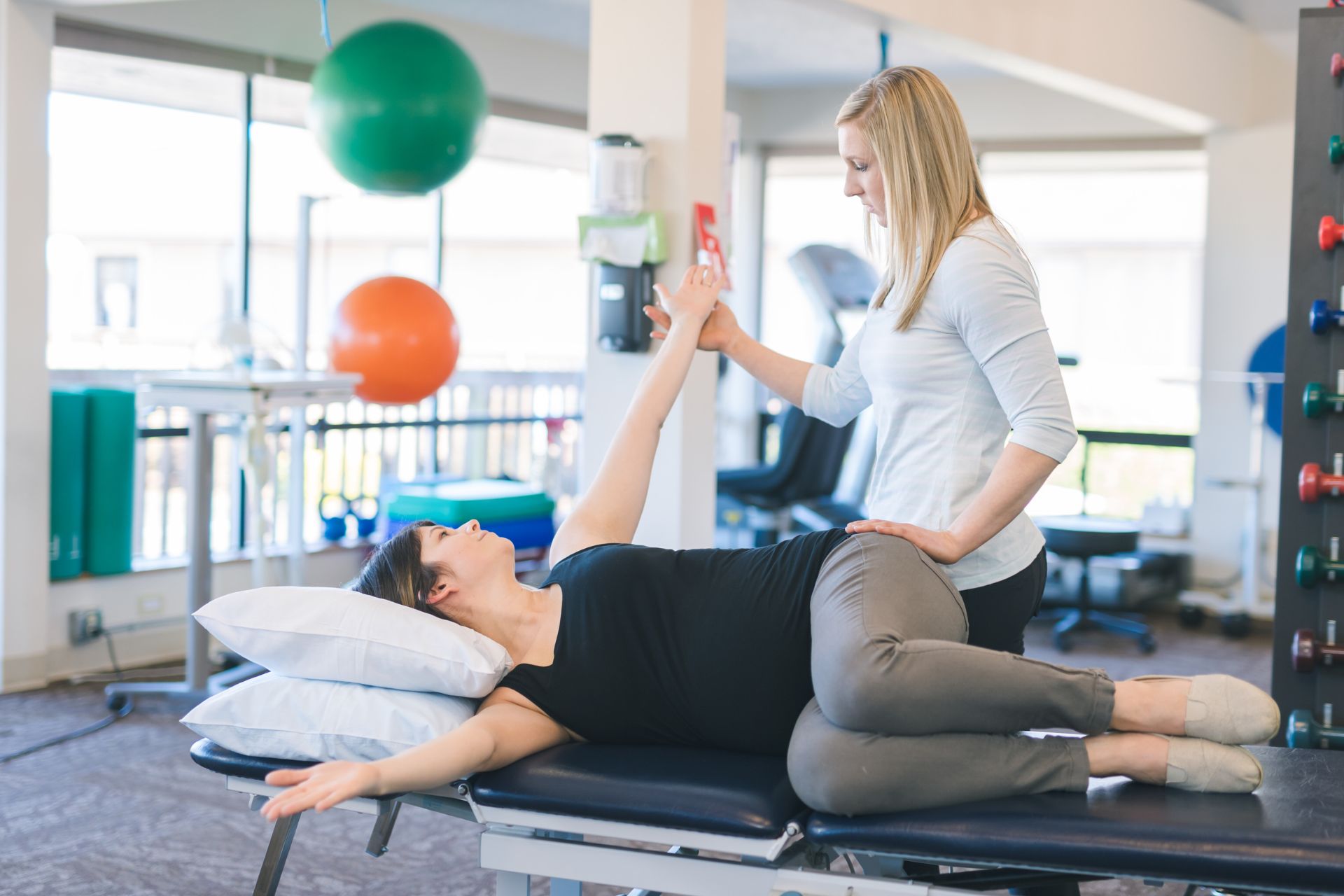
Hybrid Rehab Models Combining Manual And Exercise Therapy

Hybrid Rehab Models Combining Manual And Exercise Therapy

Contact Us

Alpine Physical Therapy and Fitness

  • Address: 3130 Alpine Rd Suite 370, Portola Valley, CA 94028
  • Phone: (650) 242-0777
  • Email: alpineptfit@mail.com

© Copyright - All Rights Reserved